10 Home Renovations That Don’t Need Planning Permission
07.04.2021
It may surprise you to learn that there are several ways you can renovate, improve or expand your home without the need to seek planning permission from your local authority. In fact, contrary to popular belief, you can even carry out a home extension under your permitted development rights as a homeowner.
Unless you live in a designated area of outstanding natural beauty, a national park, or a listed building, there’s plenty of renovations you can undertake to improve the functionality and value of your home whenever you please.
We’ve picked what we feel are ten of the best renovations you can carry out without the need for planning permission.
#1 Loft Conversions
If you’re an avid reader of our blog, then you’ll have read our dedicated piece on loft conversions and planning permission. To summarise, there are several ways you can add an extra room (or two) to your home without needing to deal with your local planning authority. You can even add a dormer without needing permission.
There are several restrictions in place that prevent unsightly development. However, the limit you need to pay attention to is the increase in volume. You can add up to 40 cubic metres to a terraced house and up to 50 cubic metres for semi-detached and detached properties.
In many instances, staying within those limits while adding habitable space to your property is easily achieved. That’s why loft conversions are increasingly pursued as an alternative to moving house.
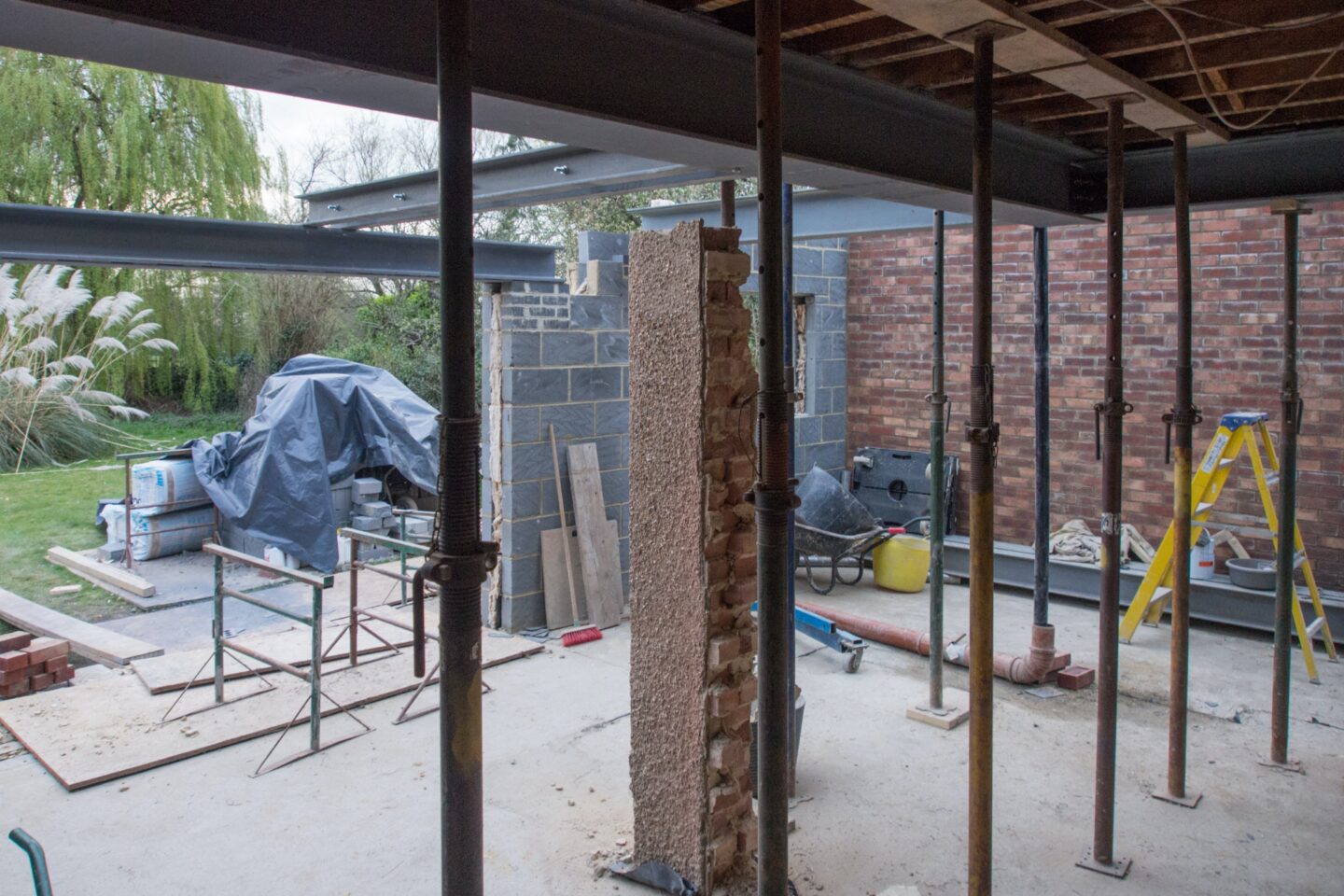
#2 Rear Single-Storey Extension
That’s right; you can extend the footprint of your property without involving your local planning authority! As is the case with loft conversions, your ability to do so is protected under your permitted development rights. So what are the limits on those rights?
Generally speaking, the limits on extensions to the rear and side of a property are four metres for detached homes and three metres in other cases. Larger versions of up to six and eight metres are allowable subject to a notification procedure.
The rules vary from local authority to local authority, so why not carry out your research and see just how much you can extend your property without the need to submit an application?
#3 Internal Alterations
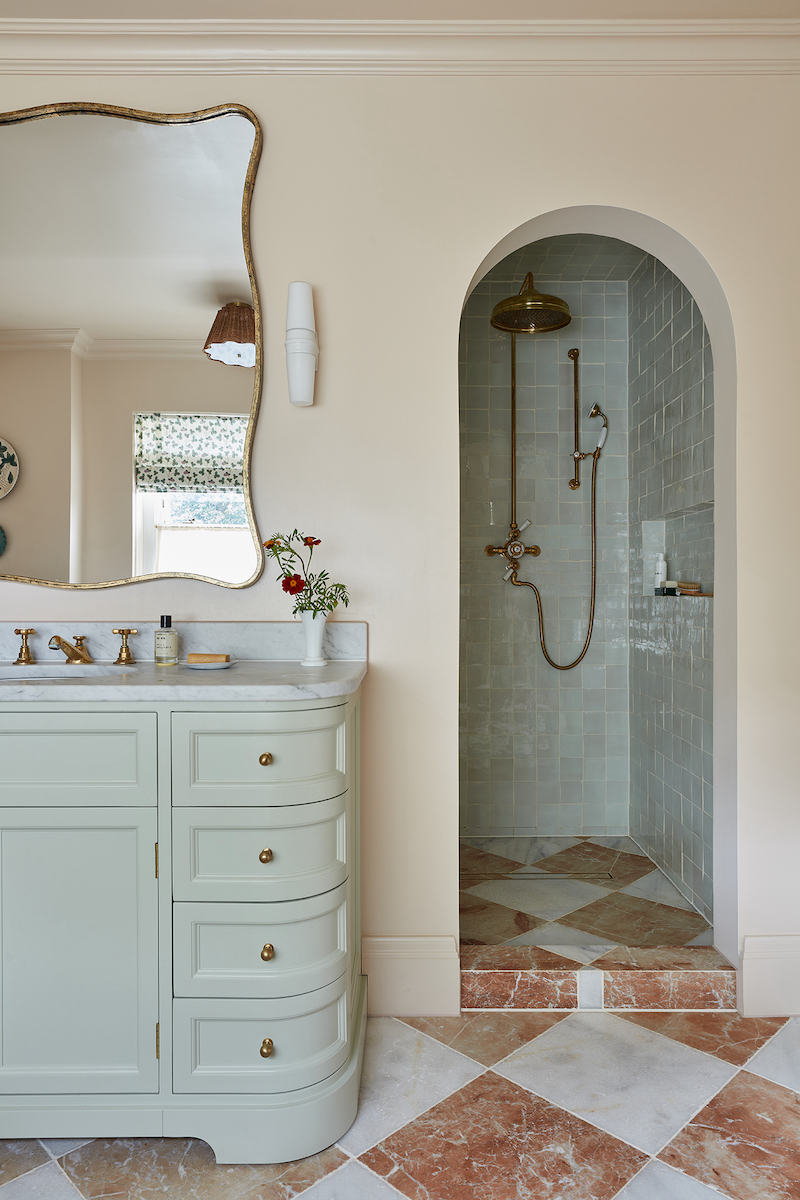
One of the most popular home renovations are those that involve reconfiguring your interior rooms. Most of us have reconfigured a bathroom or kitchen at some point in our lives, and not without good reason.
An improved layout and enhanced functionality in the case of a kitchen or perhaps a new ensuite bathroom is bound to drive up the value of your home and, as a result, often pays for itself.
So if you’ve been itching to remove that stud wall and move to an open plan living area, then go for it!
#4 Garden Room, Shed or Garage
Another popular choice is adding either detached or adjoined functional space to your property, such as a garage. These types of constructions are permissible provided the use is incidental to that of the main dwelling.
The only limits placed on you beyond size (which will vary per planning authority) are that the building must be behind the principal elevation of the house. So if you’ve longed for a safer place to park your vehicle or have always desired a shed to store all of your tools, then there’s not much to stop you from building one!
#5 Conservatories and Orangeries
Another great way to add another functional room to your property without needing consent is to invest in a conservatory or orangery. While these rooms are treated as extensions for planning purposes, they aren’t subject to the need to use matching materials.
As long as you keep them attached to your principal dwelling, then they fall under the umbrella of permitted development. So if you want to soak up the sun in the summer or add another useful room on your ground floor, this might be the way to go!
#6 Replacing or Altering Windows or Doors
Changing your windows or doors might not seem like the most significant change or upgrade to your home. However, they can deliver some pretty meaningful results.
By investing in the latest glazing solutions for your windows, such as triple glazing, you can reap some serious savings on energy bills and dramatically improve the energy efficiency rating (EPC) of your home. The same goes for upgrading your external doors to models that don’t let any heat escape during the winter.
All you have to do is ensure that the changes to the windows or doors haven’t materially changed the property, and you can upgrade them to your heart’s content.
#7 Replacing or Repairing a Roof
We don’t need to tell you how important your roof is in a country as wet as ours! The good news is that if your roof is long overdue for an upgrade, you can get on with replacing or repairing it without the need to consult local authorities.
If you wish, you can change the material of your roof slates. However, if you do choose to change your existing roof, you need to ensure that the new materials do not project more than 150mm from the existing plane (roof footprint).
#8 Adding a Porch
Porches can be handy additions to any home. They provide a versatile location for clothes and the inevitable muddy shoes whilst providing an additional buffer from the outdoors to the inside of the house.
Under your permitted development rights, you can add a porch that is no more than three metres high and no more than three square metres in floor surface area.
#9 Changing External Cladding
Most external cladding has a specific life expectancy. Once that limit has been exceeded, it’s easy for external cladding to look tired, dated, and dilapidated. Broken or damaged cladding is not a good look for your property. Worse, cladding tends to cover prominent parts of your property.
However, the good news is that you can take action to refresh your external cladding without planning consent. You can paint, repair, and even replace cladding on the exterior of your property.
The only condition placed upon you is that the new finish must broadly match your property’s original appearance.
#10 Adding a Basement
While some homeowners look upwards to their loft for extra habitable space, others look below to the basement. The rules for adding a usable basement to your property are the same as those regarding an extension, so refer back to point number two above.
However, one word of caution, some councils are now removing these permitted development rights in some urban regions, so make sure to check online before commencing any basement works on your property.
Choose Vaughan Design and Development for Your Home Renovations
As you can see, there are plenty of home renovations you can carry out without the need to go through the planning process. At Vaughan Design and Development, we can help you undertake all aspects of home renovation work. From loft conversions to single-storey extensions and beyond, we can help you with our extensive design and construction expertise.
Even if you have something more extensive in mind, we can help by providing planning application support and project management services for projects across Surrey, Hampshire, and the South East.
No matter which home renovations you have in mind, take advantage of a holistic approach to home improvements with the Vaughan Design and Development team. Call us today for a no-obligation chat about your specific project.